My thoughts on AI, educational quality, and what’s next for Yogalore.
After years of creating and selling educational materials on Teachers Pay Teachers, I’ve made the difficult decision to take Yogalore in a different direction. Here’s why, what I think could be done differently and what comes next.
A Marketplace That Helped Me Grow
Teachers Pay Teachers has been an important part of Yogalore’s story.
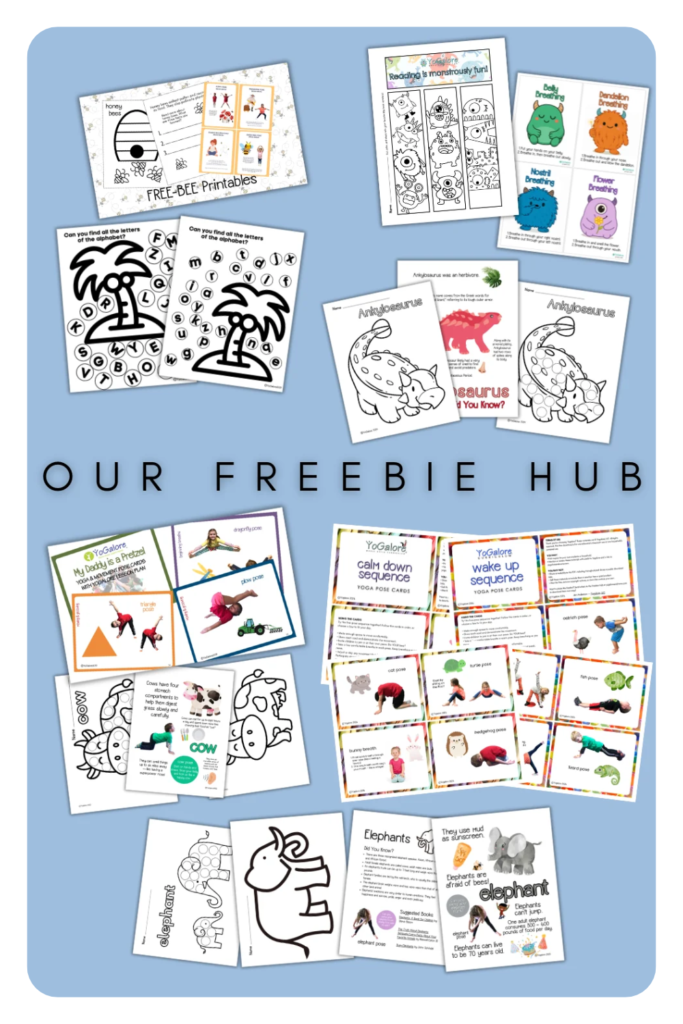
Over the years, I’ve created hundreds of educational products, developed new curriculum collections, experimented with different teaching approaches, and connected with educators looking for creative ways to bring movement and meaningful learning into their classrooms.
TpT gave independent creators like me an opportunity to share our work with a much larger audience. I’m genuinely grateful for that.
But as the marketplace has evolved, so have its policies, its seller structure and the expectations placed on independent creators.
The recent changes involving artificial intelligence, combined with changes to seller commissions and the ongoing demands of maintaining a large product catalog, have prompted me to reconsider whether the platform remains the right fit for my business.
Ultimately, I’ve decided it’s time for Yogalore to move in a different direction.
That decision wasn’t made lightly.

The Difference Between Creating Curriculum and Marketing It
I want to talk about something that I think gets overlooked in conversations about AI-generated educational materials.
Using AI to create educational content isn’t necessarily the same thing as using AI to help market content you’ve already created.
I’m a curriculum developer and early childhood educator. My work involves developing activities, creating movement experiences, connecting learning objectives, and figuring out how to make educational concepts engaging and accessible for young children and even the teachers who teach those concepts.
Much of what I’ve learned about running a business, developing products, building websites, and marketing educational materials has been self-taught.
And I’ll be the first to admit that writing product descriptions, developing search-friendly titles, and creating promotional copy doesn’t come as naturally to me as developing curriculum.
Those are different skill sets.
AI has made an enormous difference in how I manage those responsibilities.
Instead of spending hours struggling to describe an activity I’ve already designed, I can use AI to help organize my thoughts, develop clearer descriptions, and communicate what makes a particular product useful.
That means more time for the work I actually love: imagining, developing, refining, and testing educational experiences. Creating products to help teachers reach our littlest learners fills me with so much joy and purpose.
AI hasn’t replaced my creativity. It’s given me more time to use it.
And I suspect I’m not the only independent creator who feels that way.
My Concerns About the New AI Policies
I understand why Teachers Pay Teachers is concerned about AI-generated educational materials.
The rapid development of generative AI has made it easier than ever to produce large quantities of content. Unfortunately, producing content quickly doesn’t necessarily mean producing content that’s accurate, original, developmentally appropriate or useful.
Teachers deserve better than poorly constructed materials that look appealing in a preview but fail to deliver meaningful educational value.
I support policies designed to protect teachers and maintain marketplace quality.
Where I struggle is with policies that restrict the use of AI-generated marketing language without, in my view, sufficiently distinguishing that activity from the creation of the educational product itself.
Under TpT’s updated approach, sellers are expected to meaningfully edit AI-generated titles and descriptions rather than simply copy and publish them.
I understand the desire for accurate, authentic product listings. Descriptions should absolutely represent the materials being sold.
But I question whether the amount of AI assistance involved in writing a description is a particularly useful measure of educational quality.
Consider two hypothetical sellers.
One creates original, classroom-tested educational materials but uses AI to help write descriptions.
Another writes every description personally but sells educational materials that contain errors, lack meaningful instructional value, or rely heavily on automatically generated content.
Which seller is contributing more to the quality of the marketplace?
To me, the answer has much more to do with the educational materials than the process used to describe them.
Could AI Be Part of a Better Review Process?
Here’s where I think there’s an opportunity for a more constructive conversation.
Rather than focusing so heavily on detecting AI involvement in marketing copy, what if marketplaces placed greater emphasis on using technology to evaluate the materials themselves?
AI-assisted screening could help identify potential issues such as:
- Factual inaccuracies, incorrect answers, or inconsistent instructions.
- Missing pages, incomplete activities, or misleading product previews.
- Substantial duplication or potential originality concerns.
- Materials that don’t appear to match their advertised age group or educational purpose.
- Discrepancies between what a listing promises and what the product actually contains.
Of course, AI isn’t capable of reliably determining the educational value of every activity.
A movement-based preschool lesson, for example, may incorporate physical development, self-regulation, language, imagination, and social interaction in ways that aren’t immediately obvious to an automated system.
That’s why human judgment matters.
TpT already uses automated screening and human review in aspects of its enforcement process. I’d like to see that approach place even greater emphasis on identifying demonstrable problems with educational materials.
When a product raises concerns, qualified reviewers could examine it, explain any specific issues to the creator, and provide an opportunity to make corrections or appeal a decision.
No automated system will be perfect. But I believe evaluating what teachers are actually purchasing is a more meaningful goal than trying to determine how a seller wrote a product description.
I also believe customer reviews should play a significant role in identifying questionable educational materials. Teachers are often the best judges of whether a product delivers what it promises. When something falls short, particularly when they’ve spent their own money on it, buyers are motivated to share that experience and potentially save another educator from making the same purchase.
Over time, patterns of negative feedback could help identify products or sellers that warrant closer examination. Rather than relying solely on automated detection, marketplaces could use that feedback alongside AI-assisted screening and human review to identify genuine quality concerns.
After all, who better to evaluate the usefulness of classroom materials than the educators actually using them?
What Happens When Conscientious Sellers Decide It’s No Longer Worth It?
There’s another concern I have, and it’s one that influenced my own decision.
Policies designed to discourage questionable practices don’t necessarily discourage the people most willing to circumvent them.
Sellers who are determined to work around marketplace rules may simply adjust their methods to avoid detection.
Meanwhile, creators who genuinely want to comply may find themselves spending increasing amounts of time interpreting policies, revising listings, and worrying about whether they’ve inadvertently crossed a line.
Some may decide that the effort, uncertainty, and financial return are no longer worth it.
That’s a potential unintended consequence worth considering.
A marketplace can lose conscientious, experienced creators while still struggling with the very quality problems its policies were intended to address.
I’m not suggesting that every seller will respond this way, or that TpT shouldn’t establish standards.
Quite the opposite.
I believe strong, clearly communicated standards are essential.
But those standards should prioritize educational quality, accuracy, originality, transparency, and fairness.

Why I’ve Decided to Take Yogalore in a Different Direction
For me, this decision involves more than one policy.
It’s also about recognizing how Yogalore has grown and what I want it to become.
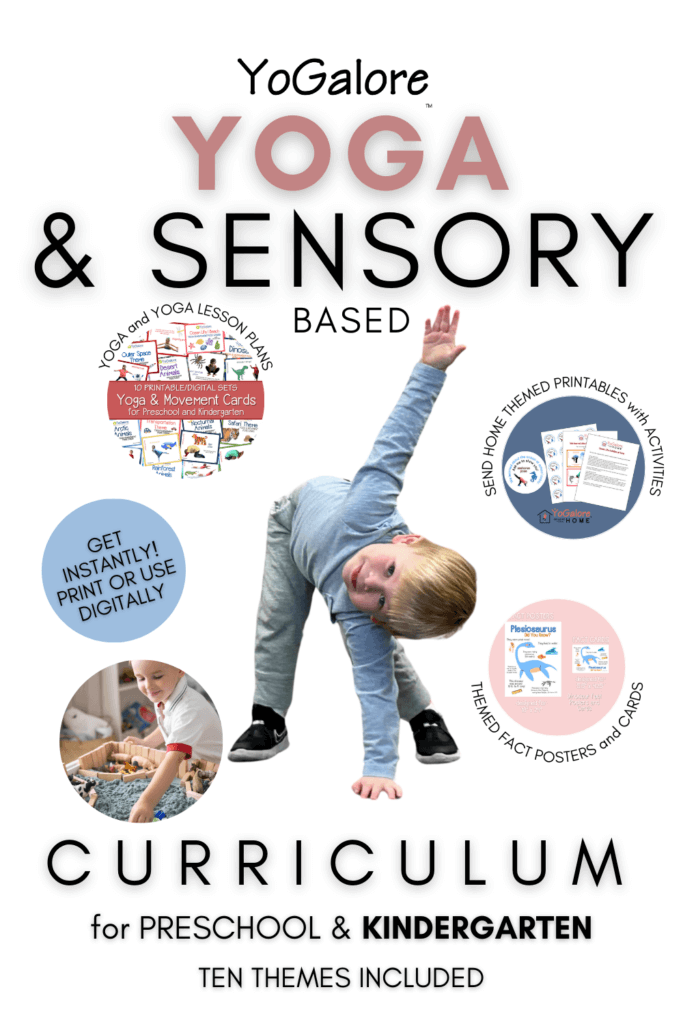
What began as a collection of movement and yoga activities has developed into a much broader early childhood curriculum system, incorporating movement, music, art, social-emotional learning, creative experiences, and practical classroom tools.
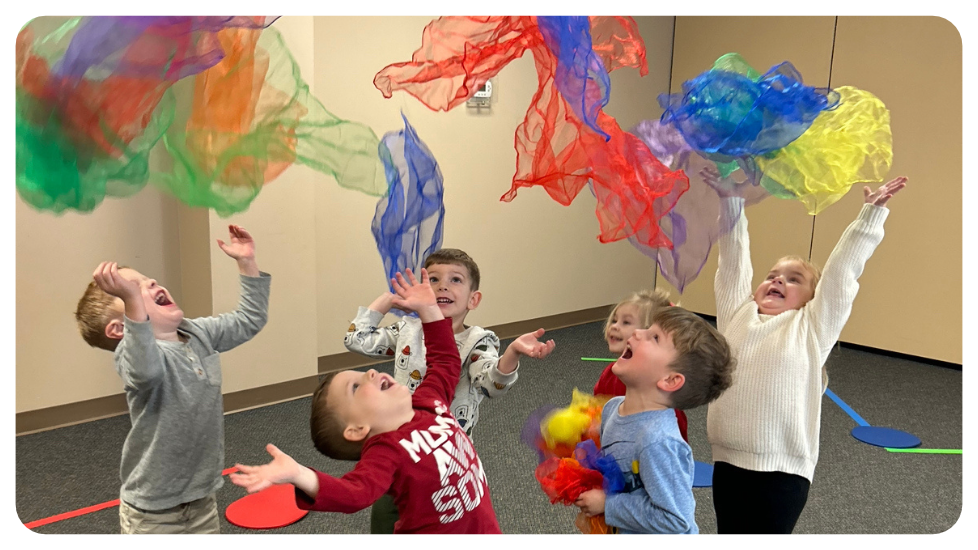
My vision for Yogalore is to make meaningful movement and creative learning a natural part of every early childhood classroom, with a flexible, accessible curriculum that supports both the children learning and the educators guiding them.
My interests have expanded beyond selling individual digital products.
I’m increasingly focused on curriculum development, school and program licensing, professional learning opportunities, consulting, training and partnerships that can bring meaningful movement experiences to more classrooms.
But my vision extends beyond the children themselves. I want to help make teachers’ jobs easier, support teacher retention, and create classroom environments where educators feel just as supported and regulated as the children in their care.
Because I believe teacher well-being and children’s well-being are inseparable.
I want to work directly with educators, schools, organizations, and companies that share my interest in making early childhood learning more engaging, accessible, and developmentally appropriate.
And I want to spend more of my time doing that work.
Moving away from TpT gives me an opportunity to rethink how Yogalore operates, how its materials are offered, and how I connect with the people who might benefit from them.
It’s a significant transition, particularly after investing so much time in building and maintaining a large product catalog.
But I believe it’s the right direction for me.
A Note About Changes to the Yogalore Website
If you’ve visited Yogalore recently, you may have noticed some changes.
I’m currently reviewing product listings, updating links, reorganizing collections, and making adjustments to how Yogalore materials are available.
With a substantial catalog, this isn’t an overnight project!
Some pages and links may change as I work through the transition. My goal is to make the website easier to navigate while continuing to provide access to the curriculum and classroom materials I’ve spent years developing.
I appreciate your patience as everything comes together.
In the meantime, you can continue exploring Yogalore’s educational materials and learn more about opportunities to work with me directly.
Sometimes a Change in Direction Is an Opportunity
I don’t regret my years on Teachers Pay Teachers.
The marketplace provided opportunities that helped Yogalore grow, and I’ll always appreciate that.
I’m disappointed in some of the platform’s recent direction, but I also recognize that running a large educational marketplace involves complicated decisions.
My perspective is simply that of one independent curriculum developer trying to balance creativity, educational integrity, business sustainability, and the realities of a changing industry.
I’m sharing my experience because I know other creators may be wrestling with similar questions.
If you’re an independent seller reconsidering your next steps, I hope my experience offers another perspective. There isn’t one right answer for everyone, and leaving a marketplace isn’t necessarily the best decision for every business.
Sometimes, though, it’s worth asking whether the way we’ve always done something is still the best way forward.
I’m not stepping away from creating educational materials. I’m making more room to do the work that matters most to me.
And I’m excited to see where that leads.
Interested in learning more about Yogalore? Explore our early childhood movement curriculum and classroom materials, or visit our Work With Me page to learn about curriculum development, licensing, training, and partnership opportunities.
I’d also love to hear from other independent educational creators navigating these changes. What has your experience been, and how are you approaching what’s next?