
Preschoolers experience emotions in a big way. A small disappointment can suddenly feel enormous, and a moment of frustration can turn into tears or angry stomping. These big feelings are a normal part of early childhood development, but young children often need guidance to understand what they are feeling and how to respond.
Because emotional regulation is still developing, preschoolers benefit from simple, playful ways to explore emotions in a safe and supportive environment. Using movement, storytelling, and visual supports can make learning about emotions feel approachable rather than overwhelming.
Many teachers are now including big feelings activities for preschool as part of their daily classroom routines. These activities help children recognize emotions, develop empathy, and learn calming strategies they can use throughout the day.
Why Big Feelings Are So Common in Preschool
Young children are still developing the brain skills needed to regulate their emotions. When a child feels angry, sad, frustrated, or overwhelmed, those emotions can take over quickly.
Teaching children about emotions through feelings preschool activities helps them build an emotional vocabulary. When children learn words like happy, frustrated, worried, or excited, they begin to understand that emotions come and go.
These early lessons are an important part of social emotional learning and help children build confidence, resilience, and stronger relationships with their classmates.
Emotional Preschool Activities That Help Children Understand Feelings
Teachers often find that the most effective emotional preschool activities combine discussion, visual cues, and playful exploration. Here are a few simple approaches that work well in preschool classrooms.
1. Use Emotion Cards or Posters
Visual supports help children recognize emotions quickly. Emotion cards or posters can show faces that represent feelings like happy, sad, frustrated, or excited. Teachers can invite children to point to the emotion that matches how they feel.
These types of activities for feelings preschool classrooms help normalize emotions and encourage children to talk about what they are experiencing.
2. Practice Feelings Through Play
Pretend play is a powerful way for children to explore emotions safely. Teachers can introduce playful characters such as animals, puppets, or even silly monsters who experience different feelings.
For example, a “grumpy monster” might stomp when it feels frustrated, while a “sleepy monster” might curl up and take slow breaths to calm down.
This type of imaginative play helps children understand that everyone experiences big feelings sometimes.
3. Add Movement to Emotional Learning
Movement can be especially helpful when children feel overwhelmed. Stretching, breathing, and simple yoga poses help children release tension and reconnect with their bodies.
Movement-based big feelings activities for preschool can include things like:
-
stomping like an angry monster
-
curling into a quiet “turtle shell” to calm down
-
taking slow breathing breaks
-
stretching arms wide like a happy monster
These playful movements help children process emotions in a physical way, which is often easier for young learners than sitting and talking.

A Playful Way to Teach Children About Big Feelings
In many preschool classrooms, teachers find that themed activities help children engage with emotional learning. Monster-themed emotion activities, for example, can make it easier for children to talk about feelings without feeling embarrassed or overwhelmed.
Sometimes it is easier for a child to say that a grumpy monster is feeling frustrated than to say that they themselves feel angry.
Monster-themed feelings preschool activities can include:
-
emotion posters
-
matching games
-
affirmation cards
-
movement and yoga activities
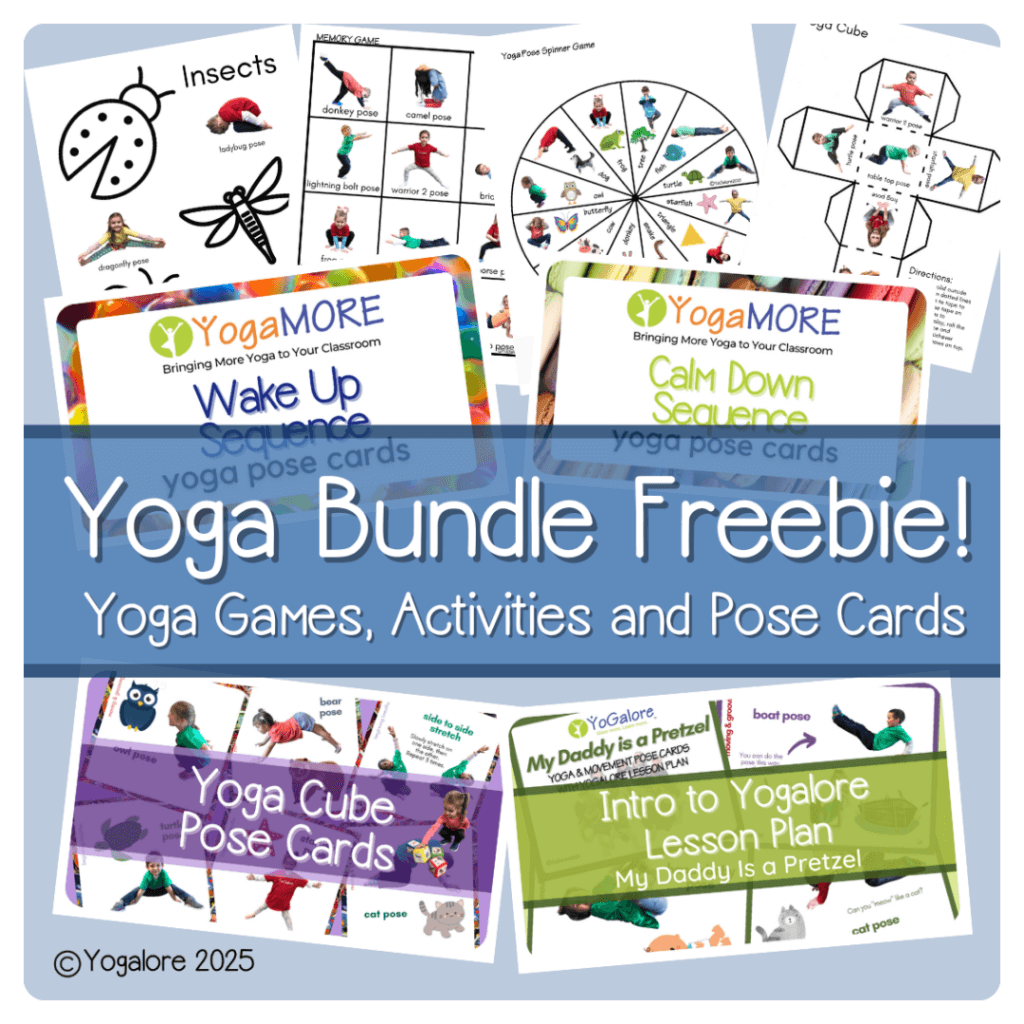
These playful tools help children explore emotions, practice calming strategies, and develop confidence in expressing how they feel. Yogalore has a Monster Feelings bundle that has everything you need for your little students with big feelings — and only for $27 — that’s a savings of over 50%!!!!!
Helping Children Learn That Big Feelings Are Normal
One of the most important lessons preschoolers can learn is that emotions are a natural part of being human. By giving children safe ways to explore emotions through play, movement, and discussion, teachers help them build the skills they need to handle life’s ups and downs.
Over time, these big feelings activities help children learn that emotions come and go, and that there are many ways to calm their bodies and express what they feel.
When classrooms create space for emotional learning, children feel supported, understood, and ready to grow.