
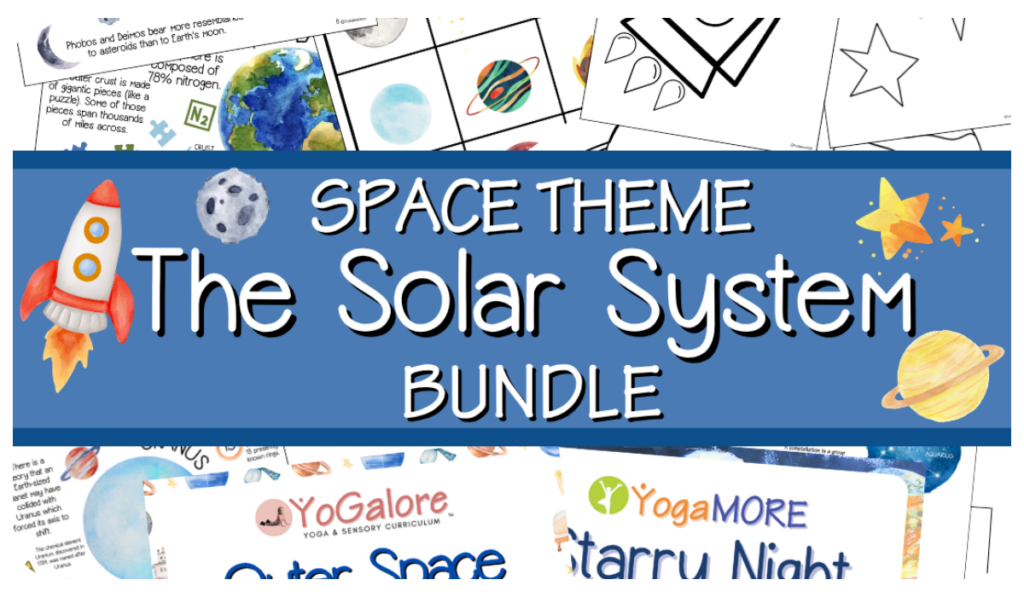
If you’re teaching space, you already know—kids are obsessed with planets, stars, and anything beyond Earth. The good news? Learning the solar system facts doesn’t have to be complicated.
Let’s break it down in a simple, kid-friendly way that actually sticks.
What Is the Solar System?
The solar system is made up of the Sun and everything that orbits around it—including planets, moons, asteroids, and comets.
The Sun sits at the center and provides the light and heat that make life on Earth possible.
The Solar System Facts Kids Should Know
Here are the most important (and easy-to-remember) solar system facts:
- There are 8 planets in our solar system.
- The planets orbit (move around) the Sun because of gravity.
- The Sun is actually a star, not a planet.
- The solar system formed about 4.5 billion years ago.
- Jupiter is the largest planet, and Mercury is the smallest.
The Planets in Order
One of the most important solar system facts for kids to learn is the order of the planets:
Mercury, Venus, Earth, Mars, Jupiter, Saturn, Uranus, Neptune
A fun way to remember:
👉 My Very Educated Mother Just Served Us Noodles
Simple Planet Facts for Kids
Here are a few quick facts kids LOVE:
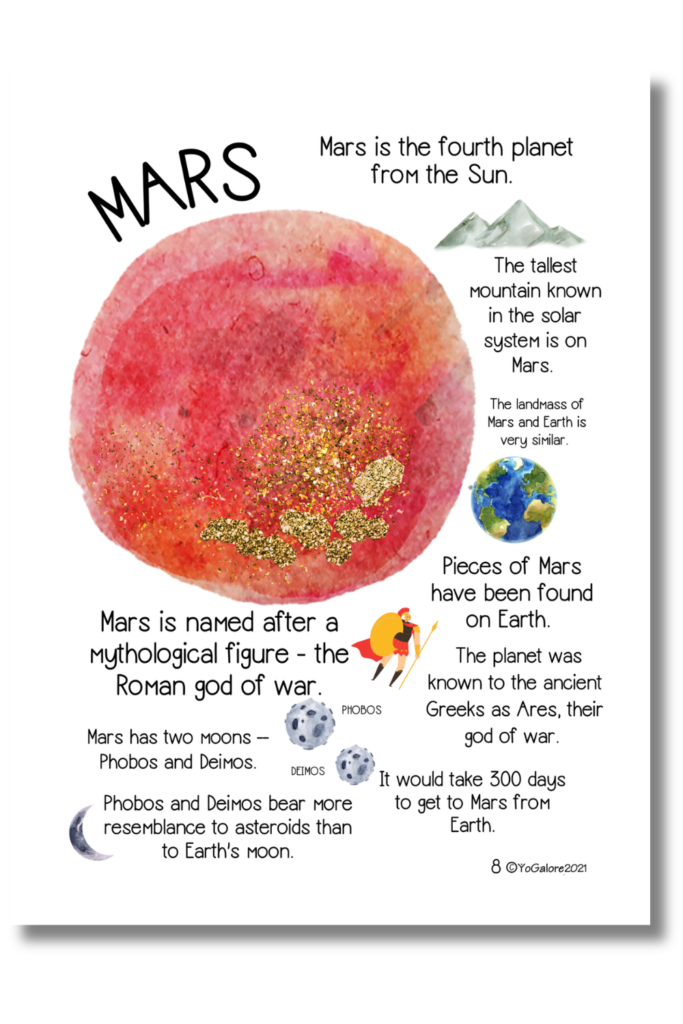
- Mercury – closest to the Sun
- Venus – hottest planet
- Earth – the only planet with known life
- Mars – the red planet
- Jupiter – the biggest planet
- Saturn – famous for its rings
- Uranus – spins on its side
- Neptune – the coldest planet
Why Movement Helps Kids Learn Space Concepts
Let’s be honest—most preschoolers are not going to remember planet facts by sitting still.
That’s why movement-based learning works so well.
When kids:
- act out planets
- move their bodies
- connect learning with physical activity
👉 they actually retain the information.
Make Solar System Facts Come to Life
If you want to go beyond worksheets, this is where your teaching magic happens.
Instead of just reading about planets, kids can:
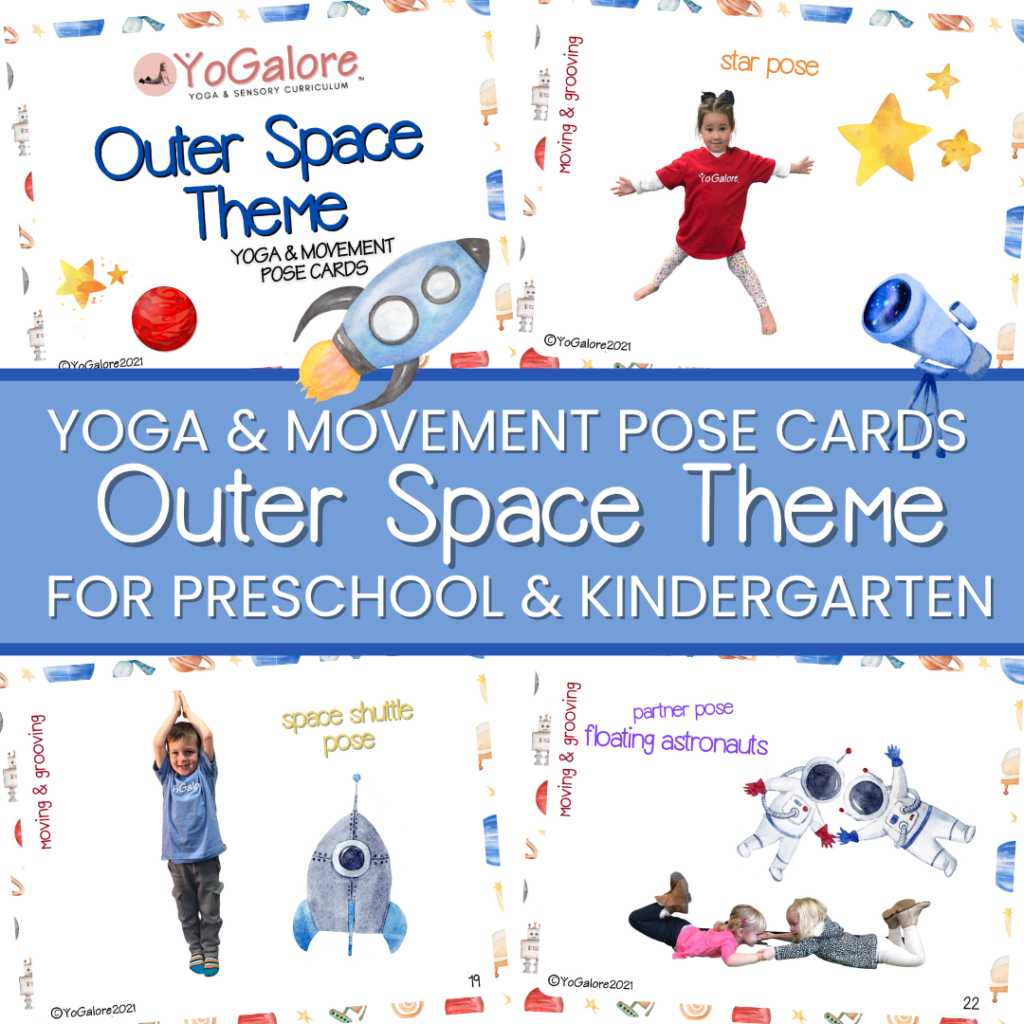
- move like planets orbiting the sun
- act out space concepts
- connect science with their bodies
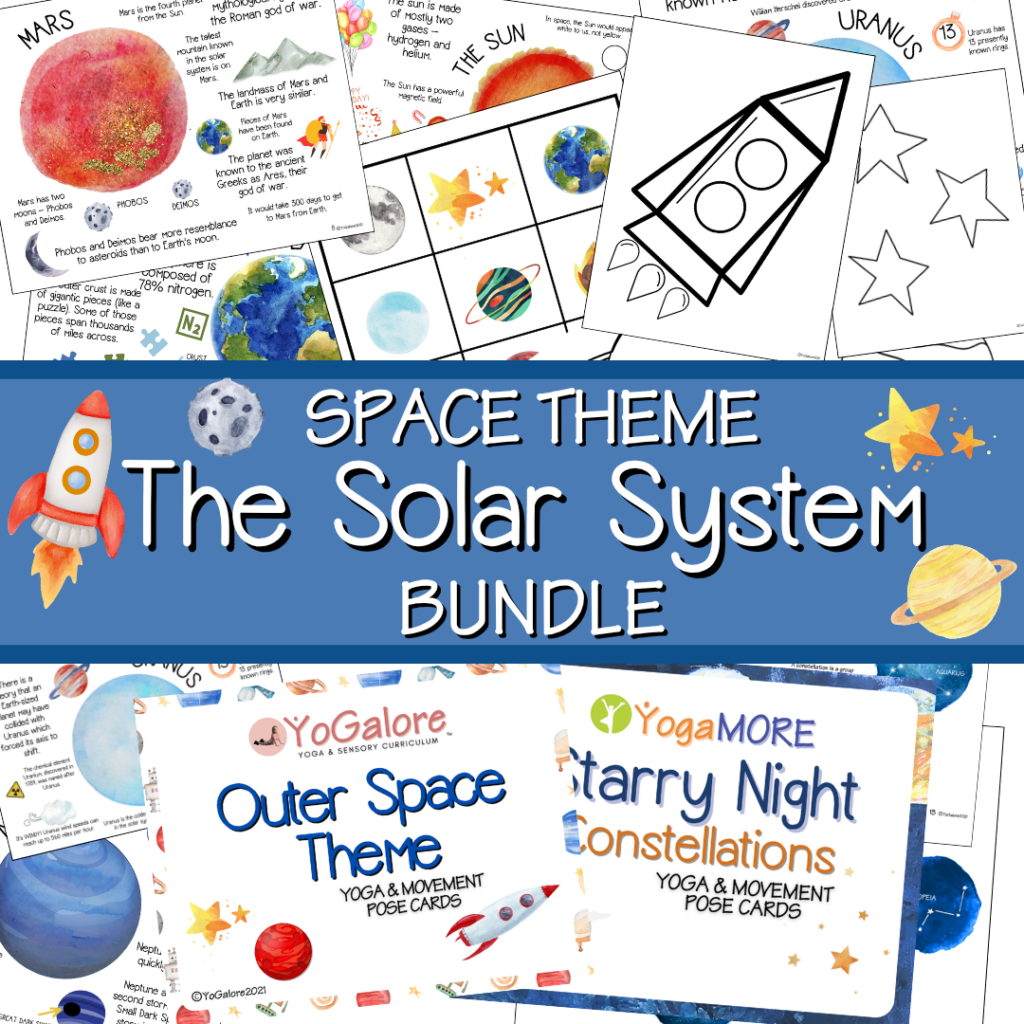
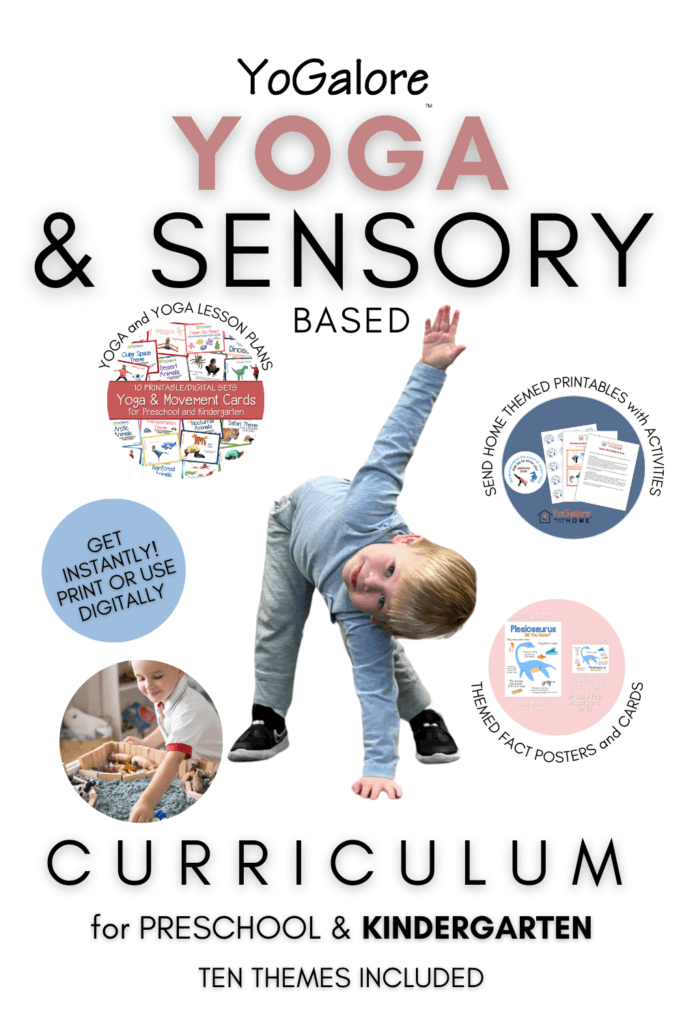
✨ This is exactly why I created this resource:
👉 Printable Solar System Activities for Preschool Kindergarten and First Grade
It combines:
- movement-based learning
- visual supports
- simple, engaging activities
So kids aren’t just hearing the solar system facts…
they’re experiencing them.
Final Thoughts
Teaching the solar system facts doesn’t have to be overwhelming.
Keep it simple.
Keep it active.
And most importantly—make it meaningful.
Because when kids move, explore, and connect…
that’s when real learning happens.

2 Responses